

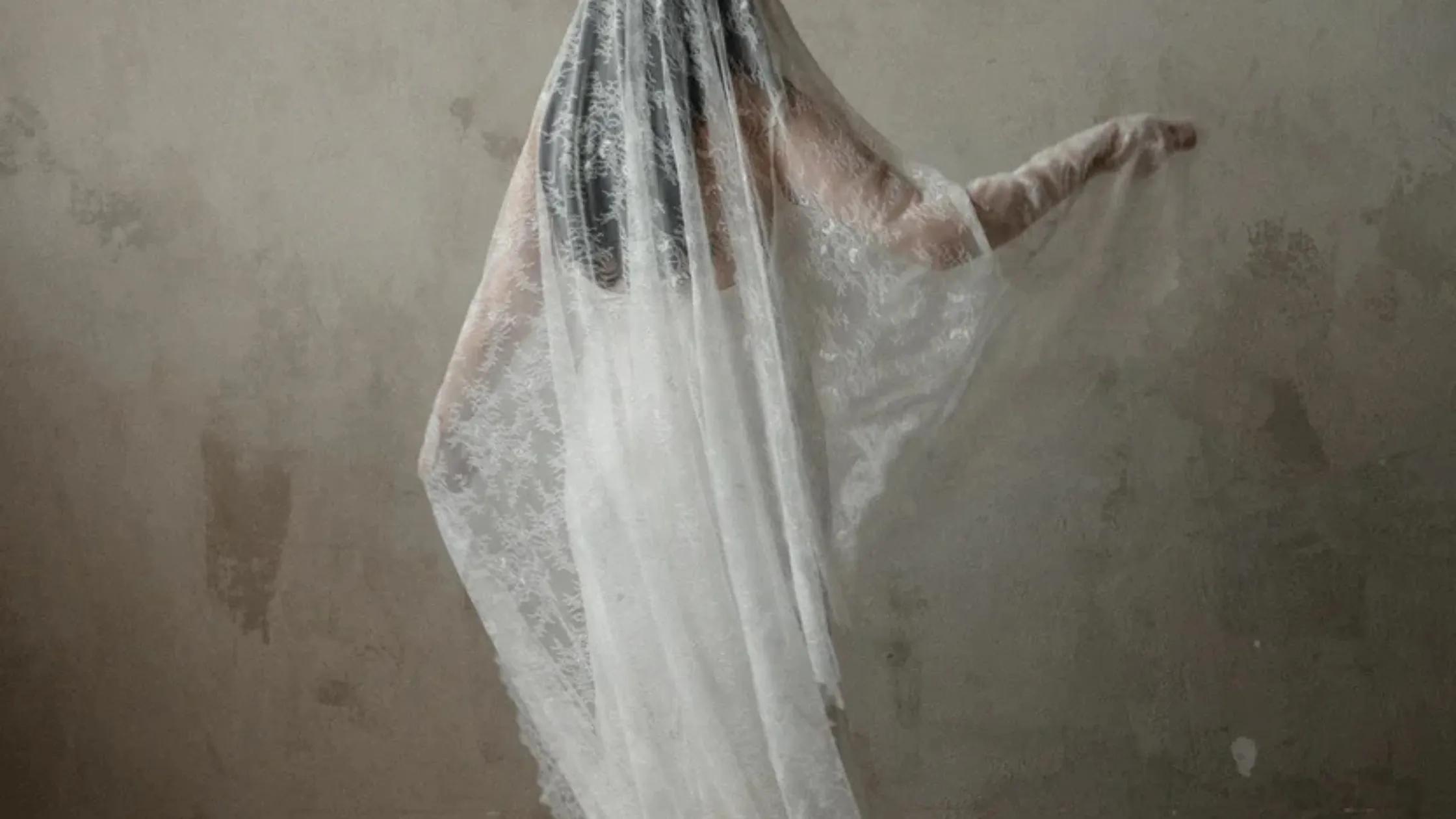
Choosing the right veil can transform a bridal look from beautiful to truly unforgettable. Bridal wedding veils are no longer limited to one traditional style; today, brides can explore different lengths, fabrics, embellishments, and silhouettes to complement their gowns. The ideal veil should enhance your wedding dress rather than compete with it. From a simple fingertip veil to a dramatic cathedral design, the right choice depends on your dress, venue, hairstyle, and personal style. With thoughtful selection, your veil can become one of the most distinctive details of your wedding-day ensemble.

Start With Your Wedding Dress
Your gown should be the starting point when choosing a veil. Consider its neckline, fabric, silhouette, train, and decorative details. A heavily embellished gown may look best with a clean, understated veil, while a minimalist dress can provide the perfect backdrop for a veil featuring lace, embroidery, pearls, or delicate appliqués.
Pay attention to the overall visual balance. If your dress has intricate detailing around the back, avoid selecting a veil that completely hides those features. Instead, consider a sheer design that allows the gown's craftsmanship to remain visible.
For brides exploring different dresses and wedding gown styles, matching the veil to the gown's overall character can create a more polished and cohesive appearance.
Choose a Veil Length That Works With the Silhouette
Veil length can dramatically influence your bridal proportions and the overall impression of your outfit.
1.Shoulder-length veils offer a playful, contemporary appearance and work particularly well with shorter dresses or modern bridal outfits.
2.Elbow-length veils provide a soft layer without creating too much volume. They can complement simple gowns while maintaining a classic bridal feeling.
3.Fingertip veils are among the most versatile options. Their length works beautifully with many wedding dress silhouettes and provides enough movement for photographs without overwhelming the gown.
4.Chapel-length veils extend beyond the dress and create an elegant, romantic effect. They are especially suitable for formal ceremonies and gowns with moderate trains.
5.Cathedral veils deliver maximum drama. Extending significantly beyond the gown, they can create a spectacular entrance and pair particularly well with formal dresses featuring long trains.
When selecting length, think about how the veil will move as you walk. A beautiful veil should not only look impressive but also feel manageable throughout the celebration.
Match the Fabric to the Gown
The fabric of your veil can change its appearance, texture, and movement. Soft tulle creates an airy, flowing effect, while more structured materials can produce a defined silhouette.
If your gown is made from lightweight chiffon, crepe, or soft tulle, a similarly delicate veil can maintain the sense of fluidity. Satin or structured gowns may work beautifully with a veil that has slightly more body.
The goal is not necessarily to match the fabrics exactly. Instead, consider whether the textures complement one another. Contrasting textures can be effective when the combination feels intentional.
Consider Lace and Embellishments
Decorative details can turn a veil into a statement piece. Lace edging, floral motifs, pearls, crystals, embroidery, and subtle beading can all introduce personality to your bridal look.
However, more decoration does not always mean a better result. If your wedding dress already includes elaborate embroidery or crystal work, a heavily embellished veil may make the entire look feel visually crowded.
Instead, identify one or two details from your gown that you want to highlight. A veil featuring a similar floral motif or delicate pearl accents can create a subtle connection between the two pieces.
For a minimalist gown, meanwhile, an artistic veil can become the focal point and add individuality without changing the simplicity of the dress itself.
Think About Your Hairstyle
Your hairstyle also influences which veil will work best. Updos can provide a secure foundation for many veil styles, particularly when the veil is attached above or below the bun. Loose waves and flowing hairstyles can create a softer appearance but may require thoughtful placement to keep the veil secure.
If you plan to wear a veil during the ceremony and remove it for the reception, consider how easily it can be detached without disturbing your hairstyle.
It is also helpful to discuss your veil choice with your hairstylist before the wedding day. A trial can reveal whether the veil sits correctly and whether additional pins or accessories are needed.
Keep the Wedding Venue in Mind
Your venue should influence your practical decision. A long cathedral veil can look spectacular in a grand church or spacious indoor venue, but it may be difficult to manage at an outdoor ceremony.
For a garden, beach, or destination wedding, lighter and shorter styles can offer greater freedom of movement. Wind, uneven ground, stairs, and narrow spaces can all affect how comfortably you can wear your veil.
A veil should enhance the experience rather than become something you constantly need to adjust.
Let Your Personal Style Lead
Trends can provide inspiration, but your veil should ultimately reflect your personality. Some brides prefer understated elegance, while others want a dramatic accessory that becomes a major part of their wedding photographs.
Think about the feeling you want your bridal look to create. A plain fingertip veil may feel effortlessly modern, while a long lace-edged veil can create a romantic and timeless mood.
At Atelier Caravaggio, the emphasis is on thoughtfully crafted bridal pieces that celebrate individuality, elegance, and meaningful details. Choosing a veil with this mindset allows you to create a look that feels personal rather than simply following a trend.
Consider Photography and Movement
Your veil will appear in many wedding photographs, so consider how it will look from different angles. Details such as lace borders, embroidered motifs, and subtle embellishments can become especially beautiful in close-up photographs. Make sure the veil also complements your dresses wedding gown, creating a cohesive and polished bridal look.
Longer veils can create dramatic movement in outdoor portraits, while shorter styles may work better for active celebrations. Think about the moments you want captured and choose a veil that contributes naturally to those images while enhancing the overall elegance of your wedding ensemble.
Last, we can say that
The perfect veil should feel like an extension of your wedding dress, not an afterthought. By considering the gown's silhouette, fabric, details, veil length, hairstyle, venue, and your personal aesthetic, you can find a style that completes your bridal look beautifully.
Whether you prefer understated simplicity or a dramatic statement, the right bridal wedding veils can add movement, character, and emotion to your wedding-day ensemble. Most importantly, choose a design that makes you feel confident, comfortable, and completely yourself as you walk toward one of life's most memorable moments.